
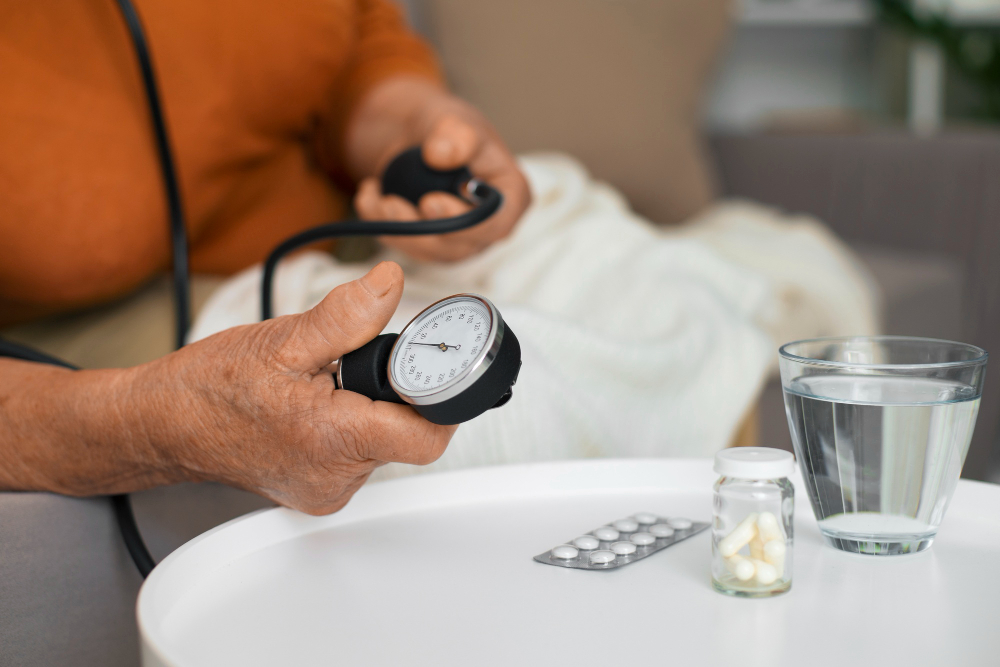
What Is Hypertension?
Hypertension, also called high blood pressure, means your blood moves through your blood vessels with too much force. This can happen to anyone, but it is especially important for women’s health. In obstetrics and gynecology, doctors watch for hypertension during pregnancy because it can cause problems for both mother and baby. According to the CDC, normal blood pressure is below 120/80 mmHg. If your numbers are higher, you may have hypertension.
Common Symptoms of High Blood Pressure
Often, hypertension does not cause symptoms. For this reason, many people call it a “silent” condition. However, some people may notice signs, especially if blood pressure gets very high. For example, you might experience:
Still, many women feel fine even with high blood pressure. Therefore, regular check-ups are important.
Causes and Risk Factors
Several things can raise your risk of developing hypertension. While some factors are out of your control, others can be managed. For instance, risk factors include:
Additionally, women who use birth control pills or hormone therapy may have a higher risk. According to the WHO, these factors can affect blood pressure in women.
How Hypertension Is Diagnosed
Doctors diagnose hypertension by measuring your blood pressure. Usually, they use a cuff around your arm. If your readings are high on several visits, you may have hypertension. Sometimes, doctors ask you to check your blood pressure at home. This helps them see if it stays high over time. In pregnancy, doctors check blood pressure at every prenatal visit. This is because high blood pressure can lead to serious problems for both mother and baby.
Health Risks Associated with High Blood Pressure
Hypertension can cause serious health problems if not treated. For example, it can lead to:
In women, high blood pressure can also increase the risk of complications during pregnancy. The CDC warns that untreated hypertension can harm both mother and child.
Treatment Options for Hypertension
Treating hypertension often starts with lifestyle changes. However, some people may need medicine. Doctors may suggest:
For pregnant women, doctors choose medicines that are safe for both mother and baby. It is important to follow your doctor’s advice closely.
Lifestyle Tips for Managing Blood Pressure
Making small changes can help lower your blood pressure. For instance, you can:
Even small steps can make a big difference over time.
Preventing Hypertension
While you cannot change some risk factors, you can take steps to prevent hypertension. For example:
In pregnancy, early care helps prevent problems from high blood pressure. Consult DR. Mahesh Kurubas at Biotrexxa Healthcare to lower your risk of hypertension.